HELLA6PU 009 168-751Art. 6PU 009 168-751£14.99
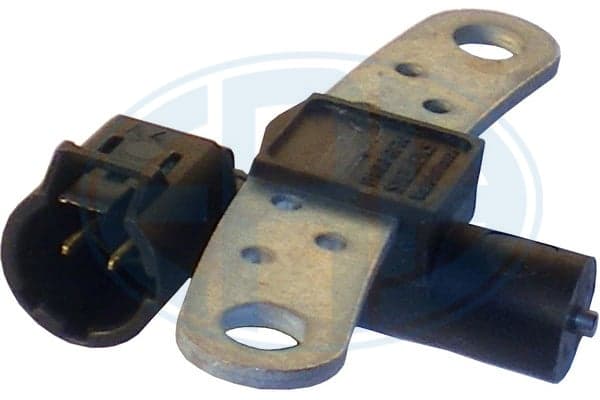
Also known as: Crankshaft pulse sensor, Crankshaft Position Sensor, Crank Sensor, CKP Sensor
OEM & aftermarket crankshaft sensor from top brands — compare prices, check fitment, order with free delivery










Shop 6870 crankshaft sensor from 24 trusted brands including BREMI, VALEO, CALORSTAT by Vernet. Compare prices, check vehicle compatibility, and get free delivery on orders over £50.
The crankshaft position sensor (CKP sensor) monitors the rotational position and speed of the crankshaft and feeds this data to the engine ECU every millisecond, allowing precisely timed fuel injection and ignition events. A failed crankshaft sensor will typically prevent the engine from starting at all, or cause it to stall unpredictably while running.
The sensor reads a trigger wheel or reluctor ring on the crankshaft — a toothed disc with a deliberate gap that identifies the crankshaft's reference position (top dead centre). The sensor generates a digital signal each time a tooth passes, giving the ECU precise speed and position data. This signal is used to time injection pulses, ignition advance, and — in conjunction with the camshaft position sensor — to identify which cylinder is on its power stroke.
Most modern crankshaft sensors are Hall-effect types powered by the vehicle's electrical system. Older vehicles used variable-reluctance (inductive) sensors that generate their own AC voltage as the trigger wheel moves past.
Intermittent stalling at speed or when the engine is hot, followed by restarting after a cool-down period, is the classic signature of a heat-sensitive crankshaft sensor. Engine management light with a P0335 or P0336 fault code (crankshaft position sensor circuit malfunction) confirms the diagnosis. In complete failure the engine will not start — the ECU receives no speed signal and will not enable injection or ignition.
Hard starting when hot, misfires, and rough running are also associated with a marginal CKP sensor. Because the symptom appears intermittently in early failure, it can be easy to misdiagnose — a diagnostic scan and waveform test on the sensor output gives a definitive result.
Crankshaft sensor replacement is usually straightforward — one or two bolts and a wiring connector. The critical step is correct positioning: the air gap between the sensor tip and the trigger wheel must match the specification in the workshop manual (typically 0.5–1.5 mm). After replacement, clear stored fault codes and confirm the code does not return. Use the registration lookup to find the correct sensor for your engine.


Commonly searched OE numbers fitting Crankshaft Sensor from the TecDoc catalogue.
Common original equipment numbers linked to stocked alternatives.