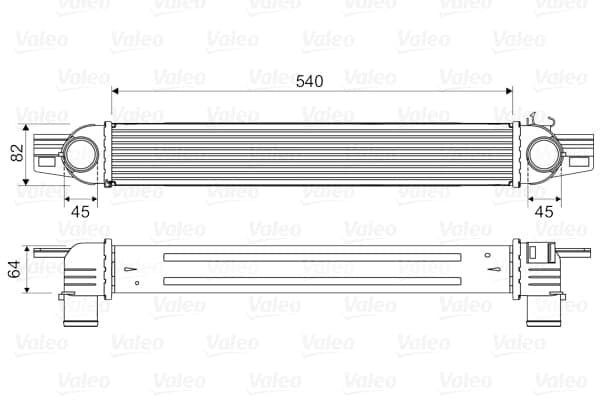
VALEO818545Art. 818545£70.99
Also known as: Charge Air Cooler, Turbo Intercooler
OEM & aftermarket intercooler from top brands — compare prices, check fitment, order with free delivery










Shop 4849 intercooler from 24 trusted brands including NRF, NISSENS, MAHLE. Compare prices, check vehicle compatibility, and get free delivery on orders over £99.
The intercooler (charge air cooler) cools the compressed air from the turbocharger or supercharger before it enters the engine, increasing air density and allowing a larger, more efficient combustion event. A damaged or oil-contaminated intercooler reduces boost pressure and power output and can cause turbocharger damage.
Air temperature rises significantly during turbocharger compression. Hot air is less dense, meaning each intake stroke draws in less oxygen — reducing the potential power output even though the pressure has increased. The intercooler is a heat exchanger that cools the charged air before it enters the manifold, restoring density and allowing the engine management to add more fuel for a more complete combustion event.
Air-to-air intercoolers (the most common type) mount in the airflow path — usually at the front of the vehicle — and use ambient air flowing through the core to cool the charge air. Air-to-water intercoolers use engine coolant or a separate water circuit and are more compact but require additional plumbing.
Intercooler cores crack or develop pinhole leaks from age, vibration, and stone damage. A leaking intercooler causes boost pressure loss, reduced power under load, and in some cases a noticeable hissing or whooshing noise from the engine bay. Oil contamination inside the intercooler — from turbocharger seals passing oil into the intake tract — is common and reduces heat transfer efficiency significantly. In severe cases oil pools in the intercooler and can cause a rich-running condition on start-up.
Any vehicle with a persistent oil weep from the intercooler outlet should have the turbocharger seals investigated.
Intercooler replacement requires careful re-routing of the silicone boost hoses and clamps at each end. Inspect all boost hoses at the same time — cracked or split hoses cause the same symptoms as a leaking core. Use the registration lookup to confirm the correct intercooler size and pipe positions for your vehicle and engine variant.

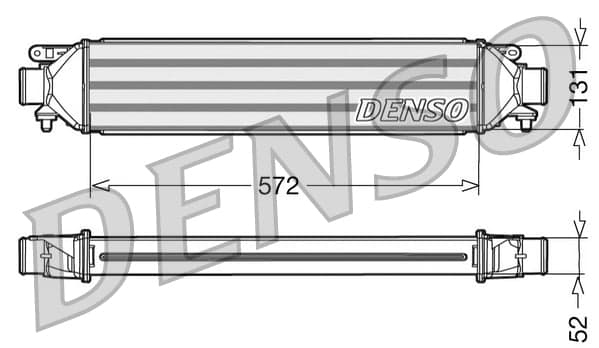


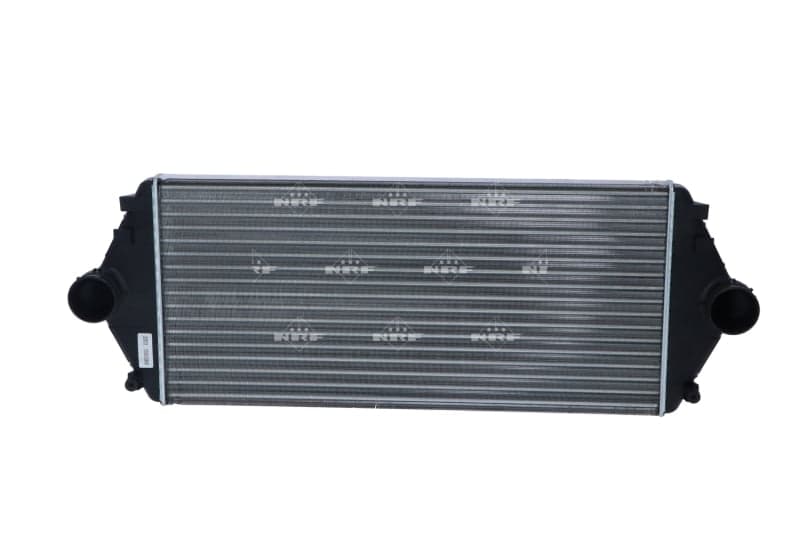
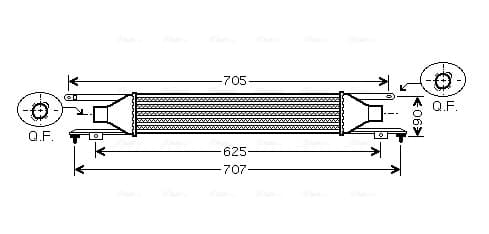


Commonly searched OE numbers fitting Intercooler from the TecDoc catalogue.
Common original equipment numbers linked to stocked alternatives.