PIERBURG7.08681.25.0Art. 7.08681.25.0£41.99
OEM & aftermarket oil pressure valve from top brands — compare prices, check fitment, order with free delivery











Shop 93 oil pressure valve from 16 trusted brands including PIERBURG, METZGER AUTOTEILE, FEBI BILSTEIN. Compare prices, check vehicle compatibility, and get free delivery on orders over £50.
The oil pressure valve is a critical component in your vehicle's engine system. Worn or damaged oil pressure valve parts can compromise safety, performance and fuel economy. At CarParts247 we stock OEM and aftermarket oil pressure valve options from trusted manufacturers so you can compare prices, check fitment by make and model, and order with confidence.
Like all wear items, oil pressure valve components degrade over time. Recognising the early signs of failure helps you avoid breakdowns and costly secondary damage.
Several factors accelerate oil pressure valve deterioration. Understanding these helps you choose the right replacement part and extend its service life.
Before ordering a replacement oil pressure valve, a quick inspection can help confirm the diagnosis and ensure you select the correct part first time.
Replacing oil pressure valve parts at the right time keeps your vehicle safe and can prevent more expensive repairs down the line.
.JPG&w=3840&q=75)


.JPG&w=3840&q=75)


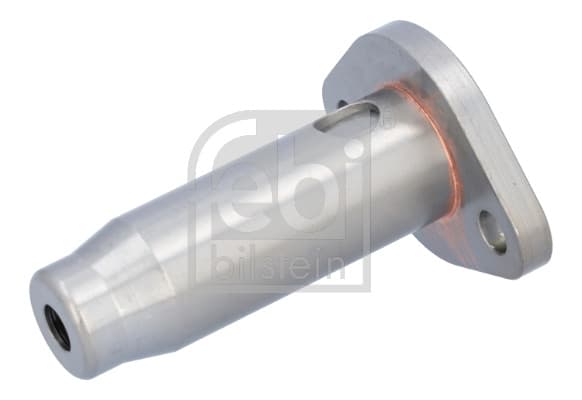

Commonly searched OE numbers fitting Oil Pressure Valve from the TecDoc catalogue.